
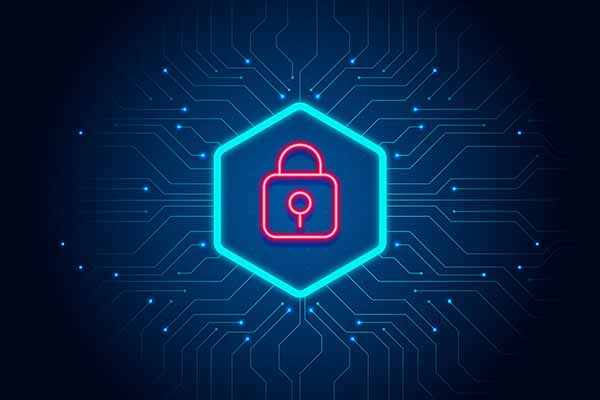
The modern digital world offers many conveniences but also brings numerous threats to our privacy and security. One of the most effective tools to protect yourself online is a VPN (Virtual Private Network). How does a VPN work, when should you use it, and what benefits does it offer? Let’s explore!
1. What is a VPN and how does it work?
A VPN is a service that encrypts your internet connection and routes it through an intermediary server, ensuring your data is secure and your location hidden. In practice, the operation of a VPN can be compared to entering a tunnel with hundreds of exits. Your data enters a secure, encrypted tunnel, making it invisible to potential eavesdroppers. It then “exits” the tunnel through the chosen VPN server worldwide, hiding your real IP address and location.
2. When should you use a VPN?
a) While using public Wi-Fi
Public Wi-Fi networks, such as those in cafes, hotels, or airports, are an easy target for cybercriminals. A VPN encrypts your data, preventing it from being intercepted.
b) Protecting your privacy
If you don’t want your online activities to be tracked by your ISP, advertisers, or websites, a VPN ensures anonymity.
c) Accessing region-locked content
Streaming services like Netflix or some websites may not be accessible in your country. A VPN allows you to change your location to another country and enjoy restricted content.
d) Remote work security
Companies often use VPNs to protect data transmitted between employees and the organization’s internal network.
3. Benefits of using a VPN
- Data encryption: Every connection is protected by advanced encryption, safeguarding sensitive information.
- Online anonymity: Your IP is hidden, so no one can track your online activities.
- Protection against censorship: In countries with restrictive internet regulations, a VPN enables free access to information.
- Better online prices: Some services, like airline tickets, may have different prices depending on your location. A VPN allows you to save by changing your location.
4. What to look for when choosing a VPN?
- Privacy policy: Ensure the VPN provider doesn’t log your activity.
- Server locations: The more locations offered, the greater access to content.
- Connection speed: Choose a VPN that doesn’t slow down your internet.
- Technical support: Good customer support is essential for resolving potential issues.
5. Does VPN have drawbacks?
- While VPNs are extremely useful, they do have some limitations:
- Cost: The best VPN services are usually paid.
- Reduced Internet Speed: Encrypting data can impact connection speed.
6. Conclusion
A VPN is a tool that provides privacy protection, security, and access to global content. Using a VPN is a simple step that can significantly improve your online experience and protect you from threats.

 EN
EN  ES
ES  DE
DE  FR
FR  IT
IT  PT
PT  PL
PL  SK
SK  CS
CS