

Creating strong passwords is essential to protecting your data and privacy online. In the age of increasing cyber threats, it’s worth taking a moment to understand how to create a password that is both secure and practical. Here are 5 steps to make your password unbreakable.
1. Use a long password
The longer the password, the harder it is to crack. The minimum recommended length is 16 characters, but aiming for 20 or more is even better. Such passwords require more time and resources to decrypt, effectively deterring cybercriminals.
2. Include a variety of characters
Your password should include a combination of:
- Uppercase and lowercase letters (e.g., A, a),
- Numbers (e.g., 1, 9),
- Special characters (e.g., !, @, #).
The variety of characters makes brute-force attacks, which rely on generating all possible combinations, much more difficult.
3. Avoid obvious patterns
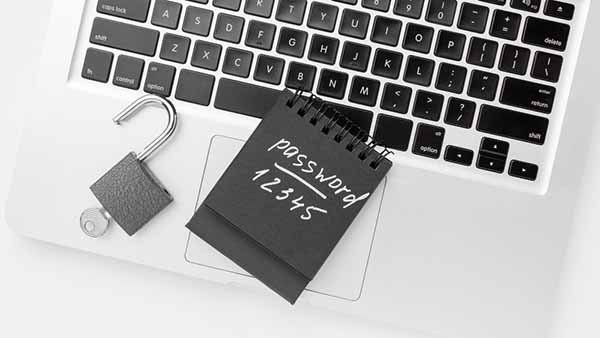
Phrases like “123456,” “qwerty,” or “Password123” are very common and easy to guess. Avoid using personal information such as your birthdate, children’s names, or pet’s name as well.
4. Use a password generator
A password generator is a tool that quickly creates random, strong, and unique passwords. Passwords generated this way are hard to guess and do not rely on predictable patterns.
5. Regularly change passwords and avoid reusing them
Even ultra-strong passwords like “”]_DiRNsZq?9wQ5Tvx]+dET#s(Yf(T]@5wVu{d^(E2Y<BKj^LuV” are nearly impossible to crack, but using the same password across multiple sites can still pose a risk. If one service experiences a data breach, cybercriminals might attempt credential stuffing to exploit your password in other services. To mitigate this risk:
- Use unique passwords for each account.
- Regularly update your passwords, especially for accounts with high sensitivity (e.g., email, online banking).
Conclusion
Creating strong passwords doesn’t have to be difficult if you follow these 5 steps. Remember, properly securing your accounts is an investment in your privacy and peace of mind.


 EN
EN  ES
ES  DE
DE  FR
FR  IT
IT  PT
PT  PL
PL  SK
SK  CS
CS